Friday, March 15, 2013
DO A HOME SAFETY AUDIT NOW
In light of a recent fire reported in the news, here are some tips to keep you and your property safe.
Clear away anything from around electric heaters. This includes clothing, draperies, papers etc. There should be enough space around such devices to aid air circulation.
Avoid laying electrical cords over a heater and use extension cords only temporarily. Do not over load electrical outlets. Make sure electrical outlets are grounded and in kitchens and bathrooms, make sure any electrical outlets near sinks/shower are GFCI equipped.
DO NOT STORE GASOLINE or any other combustible liquids in the home. Keep them outside in a shed or the like. Make sure the caps/seals are tight.
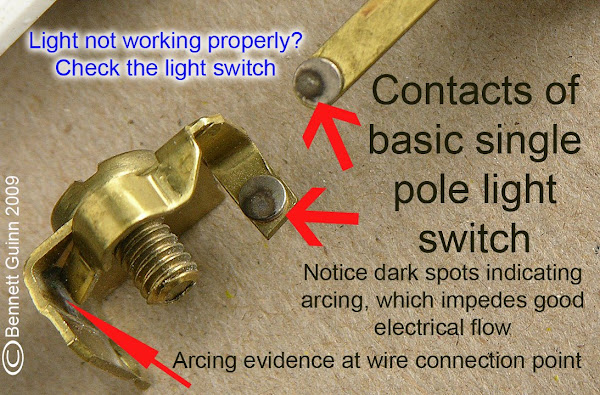
Make sure any lights do not come into contact with combustibles (clothing, draperies etc.). Do not over load a lamp socket. Excessive heat from a high wattage light bulb will damage the wires and could lead to failure.
Test your smoke alarms once a month. replace smoke alarms every five years.
Install a carbon monoxide detector in the basement or on the same level as any appliance that emits exhaust (furnace, water heater, stove).


Saturday, January 12, 2013
IKEA FANS READ THIS
I recently discovered an IKEA distributor here in Victoria (View Royal). Add2Cart (www.add2cart.ca) will pick up your order from Vancouver and deliver it to Victoria. Call 250 888-2988 for more information.
Once you have your IKEA products, call me to assemble them. I know the products and am a fast assembler plus, on request, I will add construction adhesive to critical points to add strength and durability.
Monday, December 17, 2012
HOME THEATER ANYONE?
You’ve just bought a giant screen high definition TV and a
blueray player but there are so many connection ports to deal with and
different types of wires to contend with…what do you do?
If you are having difficulty understanding this high tech
gear, fear no more I can help.
For the best performance from all your new toys here are
some things to keep in mind.
Match your gear. If you have a high definition (HD) TV
(1080p), you will want a HD dvd player or BluRay player. The latter provides
the best picture and sound quality for HD TVs. A regular DVD player will still
look good but why use an older technology with your new HD TV?
There are several ways to connect your devices. In the old
days it was simply a matter of connecting the cable to the back of the TV but
with HD signals now so common, there are different types of connections to get
the HD signal you pay for. HDMI is the most common and best cable to connect
your gear…. It’s one cable - just plug it in to the port on the back of the TV
and the PVR/bluray/DVD player and you’re good to go.
The second best method to connect gear is using COMPONENT
cabling, which has three wires marked Red, Blue, Green. These provide only the
PICTURE for your gear. Sound is handled with the AUDIO OUT jacks (Red and
White) or, for the best sound, a digital tosslink (fiber optic) or digital
coaxial audio output. If you are connecting to a sound system with Surround
Sound capabilities, use the tosslink digital output not the red/white output.
This will provide all the detail in the audio track for the systems’
electronics to provide the theatre sound you want.
Many of today’s TVs will automatically resize the picture
depending on the original size/aspect ratio of the signal. HD TV provides the
highest quality image and most TVs now have an aspect ratio of 16x9 which is a
wider format than the 4:3 or older TVs and a lot of TV shows made prior to the
advent of the HD format…
Many movies are produced with a wide aspect ratio but may
not be 16x9. In the case where the aspect ration isn’t the same as your TV
(16x9), you will see black bars at the top and bottom of the screen. This
indicates the image is being displayed in its NATIVE SIZE and will vary
depending on the aspect ratio the movie was shot in.
Another point to keep in mind with your new TV is that there
are a few choices to consider regarding the picture itself. Terms will vary
depending on the manufacturer, but there may be a MOVIE setting, a DYNAMIC
setting, a STANDARD setting and a
CUSTOM setting. The first three are PRESETS and provide a convenient way to
change the appearance of the image without having to fiddle with more
complicated controls like brightness and contrast. The CUSTOM setting is for
calibration by you or a technician for your preferences and the type of light
in the room. Use this if you intend to have the TV calibrated, otherwise use
the other three presets.
One reason people buy big screen TVs and bluray players is
the SOUND. If you connect an HD signal to a decent surround sound receiver with
an array of good quality speakers, you’ll never want to visit a theater again!
Surround sound beats stereo or any quasi-surround sound system built into a
TV. So, when shopping for your new big
screen TV, consider the sound system too. Then call me to connect it all.
Monday, November 19, 2012
OIL TANK NIGHTMARE
NEWS YOU CAN USE, brought to you by ONE GOOD HANDYMAN of
Victoria, B.C.
From End of an oil delivery gone wrong, Times
Colonist November 14/12
Does your house or the one you are considering buying have
an oil tank? If so, how old is it?
Old oil tanks and lines actually rust from the inside-out
and may not show signs of corrosion. Oil tanks last about 15 years says the
article. If oil leaks it can cost a lot to clean up. Cleanups can range from
$48,000 to $250,000. In some cases, such as the house featured in the article,
the house has to be torn down ($750,000 replacement cost!).
Some insurance companies will not offer spill insurance to
homes with a tank older than 15 years.
A new tank costs about $1500. Double walled tanks are recommended.
Some tanks were buried and you may not even know it’s there. Buried tanks that
leak can cause severe and expensive environmental damage and the cost of
cleanup is the property’s responsibility.
Addendum:
CBC NEWS, Dec 12/12
Have your yard scanned for underground tanks…which were
placed prior to 1961
Corry Hughes of Victoria Tank Service
On a separate issue, water heaters are also vulnerable to
corrosion. If your tank is nearing 10 years, have it inspected or replace
it. Also, make sure there is a drain
pan under the tank or a nearby floor drain to evacuate water should the tank
burst.
Friday, September 28, 2012


On Painting
Painting constitutes a major portion of the work I do and with over 30 years experience, using a multitude of paint products, I have come to trust the tried and true techniques that assure the best job I can do. This includes proper preparation and priming of new or stripped substrates. I have never been a fan of oil-based paint as they tend to dry out and become brittle over time, not to mention the environment issues it entails. I prefer water-based products on new or stripped materials. I use 1-2-3 Primer which sticks well and provides a good base for top coats of which I always apply two coats.
Lately many paint manufacturers have been marketing so-called "two-in-one" paints where the primer is "built in", thus negating the use of primer and a saving of time and materials. Bunk I say and so do the good people at Cloverdale paint. The email reply to some questions about this and other issues is reprinted here with permission.
"Hybrid" paint is another new product being marketed and I wanted clarification on it so I went to the source.
If you hire me to paint, I'll do it the way I've been doing it but if you insist on using two-in one paint, I cannot guarantee the results.
REPLY VIA EMAIL
Stu Eaton - Manager, Technical Services and Product Design Cloverdale Paint
The term "Hybrid"refers to the technology of using an alkyd based (oil-based) resin system but in a water carrier. In effect we have taken a traditional alkyd-based paint and removed the organic solvents and replaced the solvents with water. The water will not dissolve the alkyd resin as
paint thinner does but it will emulsify the resin and herein lies the technology. After the water has evaporated and the coating cured, it dries with all the toughness, water resistance, abrasion resistance etc. you would expect from and alkyd paint. It has some of the negative attributes as well such as the tendency to yellow and can become brittle over time.
Paint and Primer in one is a common marketing ploy that we as a company do not buy into. Our experience is that for approximately 80% of our architectural paints sold, a primer is not required. A standard re-paint of a living room or bedroom wall does not require a primer. *If*extra functionality has been built into these paints (which I doubt very much) your money has been wasted as it is not required. If you do need a primer i.e. you have a problem such as water stain issue; a difficult to
adhere substrate; a dramatic colour change etc., you are far better off to use a product that is designed for that problem. It will perform better and at lower cost than the expensive topcoats. In fact if you read the fine print of many of the Paint and Primer in one labels and technical sheets it states that where you do have one of these problems to use their xxxx primer in any case. So, bottom line is when you don't need a primer these paints work as a primer but when you need a primer these paints don't work and require a primer. I would say a pretty empty claim.
Wednesday, April 25, 2012


Maximum width in the opening was a requirement. Initially we were going to use a standard sliding bypass type door but the customer came up with the less costly option of using a bamboo blind instead.
Although not as high as a standard 80" door, it worked just fine for her and in my opinion looks better too.
Subscribe to:
Comments (Atom)